

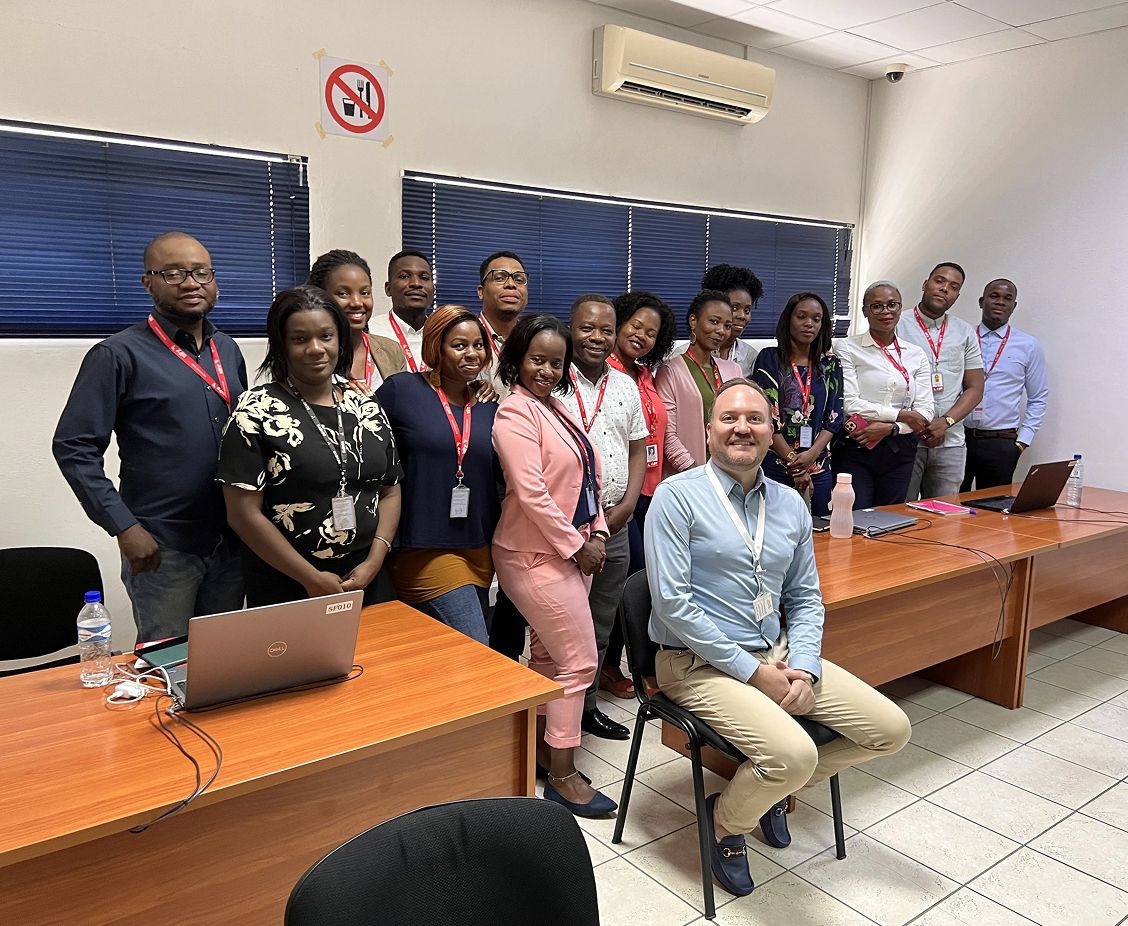
Onsite or Remote Training
The software implementation process is a critical phase in the adoption of any enterprise solution.
It sets the foundation for how well the software integrates into existing workflows, how effectively it meets business objectives, and how efficiently teams can utilize it to achieve optimal performance.
However, as business needs evolve, technology advances, and organizational structures change, the original implementation may no longer align with current processes. This is why companies sometimes find themselves needing to reimplement the software years after the initial setup.
Reimplementing ensures that the software is aligned with updated goals, modern practices, and current user needs, revitalizing its impact and maximizing return on investment.
Streaming Process Flows
Streamlining process flows is essential for any business seeking efficiency, consistency, and long-term growth. By simplifying and optimizing processes, businesses can reduce redundancies, minimize errors, and ensure that their software and systems are used as intended.
This leads to smoother operations, increased productivity, and improved employee satisfaction as teams can focus on high-value tasks rather than manual, repetitive work. Additionally, streamlined workflows enhance customer satisfaction through faster and more reliable service.
Embracing process flow optimization allows organizations to adapt quickly to changing demands, foster innovation, and stay competitive in an evolving market.


Identifying Automation Opportunities
Identifying automation opportunities is essential for businesses aiming to increase efficiency and reduce manual workload. Our expert approach involves analyzing your current processes to pinpoint repetitive, time-consuming tasks that can benefit from automation.
By understanding how your team operates and where bottlenecks occur, we design tailored automation solutions that seamlessly integrate into your workflow.
This strategic insight helps enhance productivity, ensure consistency, and allow your team to focus on higher-value tasks, driving growth and operational excellence across your organization
Data Clean up
Ensuring data integrity is essential for any organization seeking to make informed decisions and maintain reliable processes.
Clean data is the foundation upon which accurate analyses, streamlined operations, and trustworthy insights are built.
Without proper data management, inconsistencies and errors can lead to flawed outcomes and operational inefficiencies.
I write custom scripts to cleanse and validate data, ensuring it meets the highest standards of accuracy and consistency.
By automating these processes, I help maintain data integrity, reduce manual intervention, and support seamless data flow, empowering businesses to confidently use their data for strategic growth and decision-making.

By engaging with CordobaQ Consulting, you can access knowledge from both sides of the industry: from a technical software development and implementation perspective, and in-depth commercial expertise founded upon aviation aftermarket best practice to fulfil business strategies and foster success.

Crystal Reports, PowerBI Dashboards, Automated Event Manager Scheduled Reports
Ensuring data integrity is crucial when it comes to reporting, as accurate and reliable data forms the foundation for insightful decision-making.
Without robust data quality, reports can mislead stakeholders, resulting in poor strategic choices and diminished trust in analytics. Microsoft Power BI dashboards amplify the power of data integrity by transforming clean, verified data into interactive, visually engaging reports.
These dashboards enable users to explore data from multiple perspectives, uncover trends, and make data-driven decisions with confidence.
The combination of maintained data integrity and the advanced visualization capabilities of Power BI empowers organizations to harness their data’s full potential, driving efficiency and strategic growth.
Inventory Stock Value Analysis and Forecasting
Our inventory stock value analysis and forecasting service is designed to optimize your business operations by providing in-depth insights into current inventory value and predicting future trends.
We leverage advanced data analysis techniques to evaluate stock levels, identify value fluctuations, and anticipate future inventory needs.
This proactive approach helps in minimizing excess stock, reducing holding costs, and ensuring that your business stays responsive to market demands.
With clear, data-driven forecasts, you can make informed purchasing and replenishment decisions, leading to improved cash flow management and overall operational efficiency.

Consignment Setups with Automated Reporting
Has your company effectively navigated the intricacies associated with managing consignments featuring complex commercial terms?
We receive many inquiries from multiple aviation firms seeking guidance on the adept handling of issues such as profit sharing arrangements, repair-related charges, freight logistics, and the proper protocols for acquiring ownership of high-demand components.
The nuanced nature of these contractual arrangements often necessitates the utilization of more than one module within the Quantum platform. For instance, the harmonious integration of Quantum’s Remote Inventory Module and LOT Costing Module provides invaluable dashboard-like insights, offering a comprehensive overview of all transactional activities.
Failing to establish a meticulous consignment setup carries the potential for undesirable consequences, including the misplacement of units, fragmented audit trails, and inadvertent overpayments.
Engine and Aircraft Teardown Setup and configurations with automated reporting
Engine and aircraft teardowns, what happens after the purchase?
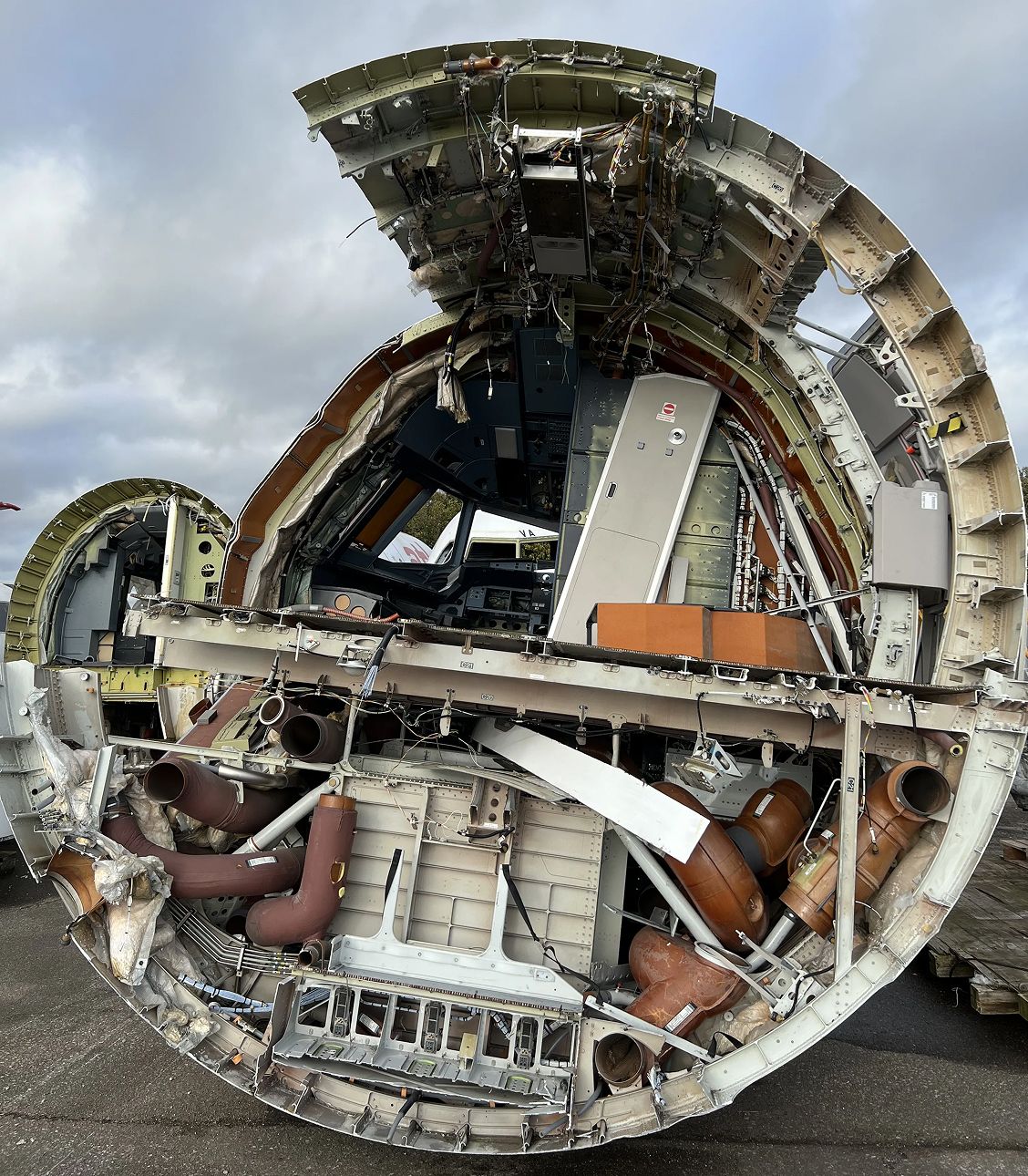
You have recently acquired an engine or aircraft for the purpose of teardown. Now, it becomes imperative to outline the systematic steps for managing the receiving process within Quantum, while meticulously ascribing precise costs to the manifest.
The pivotal questions that often arise pertain to the timing of cost attribution, whether to capitalize or expense repairs, the protocol for scrapping items, and the disposition of the main component post-teardown. These inquiries represent only a fraction of the inquiries we routinely encounter.
The advantageous aspect is that Quantum’s LOT module offers a robust framework for seamlessly managing teardowns, concurrently ensuring a meticulous reconciliation of costs and profits within each LOT. This level of functionality provides you with comprehensive visibility into the entire process.

Software Implementations
The software implementation process is a critical phase in the adoption of any enterprise solution. It sets the foundation for how well the software integrates into existing workflows, how effectively it meets business objectives, and how efficiently teams can utilize it to achieve optimal performance.
However, as business needs evolve, technology advances, and organizational structures change, the original implementation may no longer align with current processes.
This is why companies sometimes find themselves needing to reimplement the software years after the initial setup. Reimplementing ensures that the software is aligned with updated goals, modern practices, and current user needs, revitalizing its impact and maximizing return on investment.

0
Onsite Facilities

0
Countries

0
Years of Service

0
Aviation Sectors

